Introduction to SARMS
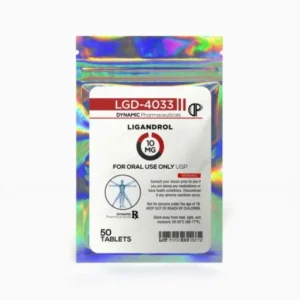
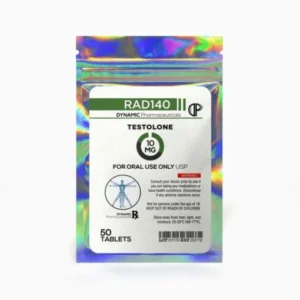
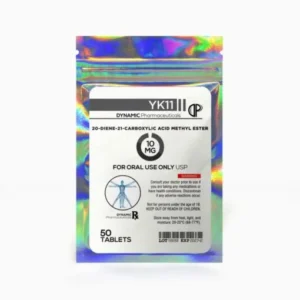
SARMs (Selective Androgen Receptor Modulators) are a relatively newer class of performance-enhancing compounds that are designed to mimic the muscle-building effects of anabolic steroids, but with a more targeted approach. Unlike traditional steroids, SARMs are engineered to selectively bind to androgen receptors in muscle and bone tissue specifically, with the intention of minimizing the unwanted side effects that come with full anabolic steroid use. Common examples include Ostarine (MK-2866), Ligandrol (LGD-4033), and RAD-140, which are widely used in fitness and bodybuilding communities for goals such as muscle gain, fat loss, and improved athletic performance.
However, despite being marketed as a “safer alternative” to steroids, SARMs are not approved for human use by the FDA or most health regulatory bodies around the world. Research into their long-term effects is still limited, and reported side effects include testosterone suppression, liver toxicity, increased risk of heart attack and stroke, and potential links to cancer based on animal studies. They are also banned by WADA and most major sports organizations, classifying them as prohibited substances in competitive athletics. While they are sometimes sold legally as “research chemicals,” their purchase and use for human consumption exists in a legal gray area in many countries, and they carry significant health risks that are not yet fully understood.